

Metro: Last Light - Limited Edition
Histoire
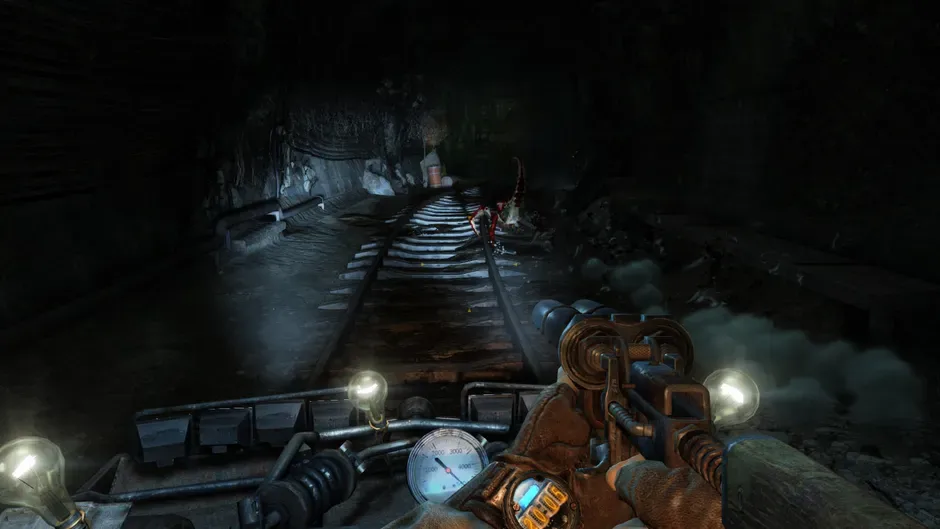
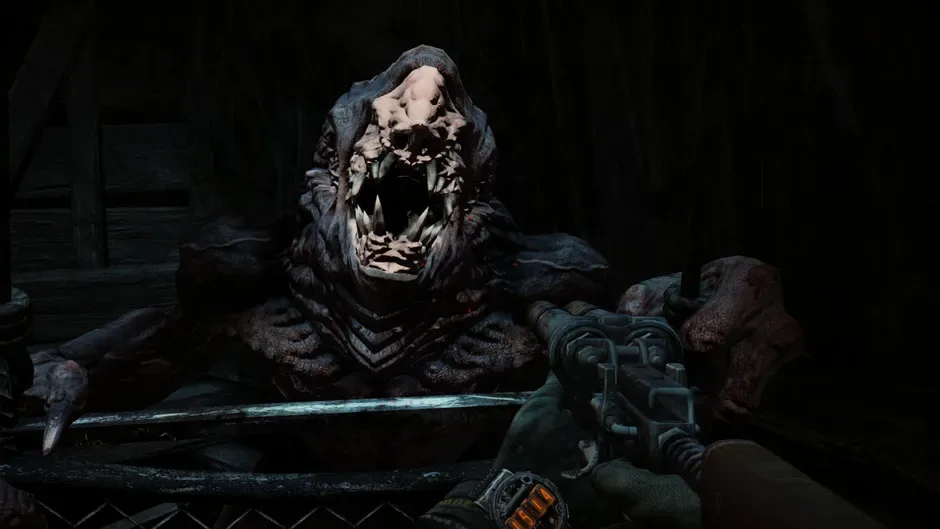
Metro: Last Light est un jeu de tir à la première personne post-apocalyptique développé par le studio ukrainien 4A Games et édité par Deep Silver. Principalement conçu comme une expérience solo, il mêle FPS, infiltration et éléments de survival horror.
L'aventure se déroule dans un Moscou dévasté par une guerre nucléaire et appartient à l'univers littéraire Metro imaginé par l'écrivain Dmitry Glukhovsky, sans toutefois adapter directement l'un de ses romans.
Suite du jeu Metro 2033, le titre avait initialement été annoncé sous le nom de Metro 2034. Dmitry Glukhovsky a participé à son développement aux côtés de 4A Games, mais son histoire reste indépendante du roman Metro 2034.
Initialement prévu sous l'édition de THQ, le jeu change d'éditeur après la disparition de l'entreprise en 2013, les droits étant alors repris par Deep Silver.
Metro: Last Light poursuit et améliore les bases établies par Metro 2033, notamment au niveau des affrontements, de l'infiltration et des commandes, tout en conservant l'atmosphère oppressante et les environnements caractéristiques de la série.
Résumé
Metro: Last Light (also known as Metro 2033: A Light of Hope in Russia) is a single-player post-apocalyptic-themed first-person shooter video game with stealth and survival horror elements, developed by Ukrainian studio 4A Games and published by Deep Silver for Microsoft Windows, OS X, Linux, PlayStation 3 and Xbox 360 in May 2013. PlayStation 4 and Xbox One versions of the game were released August 26, 2014.
The game is set in a post-apocalyptic Moscow, part of the universe of the novel Metro 2033 and its sequels, written by Russian author Dmitry Glukhovsky, but does not follow any direct storylines from the books. Previously announced as Metro 2034, the game is a sequel to the video game Metro 2033, and although Glukhovsky did work with developer 4A Games, it bears no relation to the book Metro 2034. Rumors on his website point to the upcoming book, Metro 2035, to be a novelization of Metro: Last Light, but it will cover the plot and dialogue in much greater detail and length.
Initially, the game was to be published under THQ and expected to be released in the middle of 2012; it was announced on February 2, 2012, that the game would be delayed until the first quarter of 2013, and on March 1, 2013 the game was delayed again until May. Following THQ's closure in January 2013, the intellectual property was acquired by video game publisher Deep Silver.
Metro: Last Light received positive reviews from critics. Praise was directed at the game's story (including its atmosphere, presentation, and environments), graphics (especially on Microsoft Windows, PlayStation 4, and Xbox One), and the improvements made over Metro 2033 (such as the controls, gunplay, sound, and stealth mechanics). The game did, however, draw some criticism for its linear sequences, AI, and technical issues.
Date de sortie :•Mise à jour le
1 / 3
Développeur :
Éditeur :
Critiques de Metro: Last Light - Limited Edition
Sois le premier à partager ton avis sur Metro: Last Light - Limited Edition.
Partage ton avis avec la communauté
Jeux de la franchise Metro

Aventure

Aventure

RemasterMetro Exodus: Enhanced Edition
Aventure

BundleMetro Saga Bundle
Tir

Aventure


RemasterMetro 2033 Redux
Aventure

RemasterMetro: Last Light Redux
Aventure
Commentaires
Aucun commentaire pour « Metro: Last Light - Limited Edition ». Sois le premier à réagir.
Lance ton propre fil de discussion ou réagis à un commentaire